
News News
Why Choose Junior Bats: Skill, Safety, Value Why Choose Junior Bats: Skill, Safety, Value
Over 80 percent of british parents agree that finding the right junior cricket bat can shape a child’s confidence and skill on the field. Choosing the wrong size or weight often leads to frustration or even injury, making parents everywhere think twice before a purchase. This guide explains what really sets a junior cricket bat apart, helping you spot the features that support your child’s growth, maximise comfort, and put safety first.
Table of Contents
- What Makes a Bat ‘Junior’ In Cricket
- Age Groups And Junior Bat Sizing Explained
- Performance Benefits For Young Players
- Safety Features And Comfort For Juniors
- Comparing Junior Bats To Senior Alternatives
Key Takeaways
| Point | Details |
|---|---|
| Junior Cricket Bats are Specifically Designed | They feature reduced dimensions and lighter weights to match the physical capabilities of young players, enhancing their development. |
| Proper Sizing is Crucial for Performance | Selecting the correct bat size based on age and height is essential for comfort and skill progression. |
| Material Matters | Most junior bats use Kashmir Willow for durability, making them suitable for developing players. |
| Safety and Comfort are Priorities | Lightweight construction and ergonomic designs minimise injury risks and support better control and handling for young athletes. |
What Makes a Bat ‘Junior’ in Cricket
A junior cricket bat is a specialised piece of sporting equipment meticulously designed to support young players during their skill development stages. Unlike full-sized adult bats, junior bats are engineered with precise proportions and weight considerations that match growing players’ physical capabilities and learning needs.
The primary differentiating factors of junior cricket bats include their reduced dimensions and weight range. These bats typically measure between 60-85 centimetres in length and weigh significantly less than adult counterparts – often ranging from 700 to 1200 grams. Junior cricket bat specifications are carefully calibrated to ensure young players can handle the equipment comfortably while developing proper batting techniques.
Material selection plays a critical role in defining junior bats. Most junior bats are constructed using Kashmir Willow, a denser and more affordable wood compared to English Willow. This material provides excellent durability and resilience, making it ideal for young players who are still refining their skills. The wood’s characteristics allow for a balanced performance that supports technique development without overwhelming young athletes with excessive weight or complex handling requirements.
Junior cricket bats are categorised by age groups and skill levels, with specific sizing recommendations that align with a player’s height and physical development. Manufacturers produce bats in precise size ranges such as Size 1 (for players aged 4-6), Size 3 (for players aged 8-10), and progressively larger sizes to accommodate growing players.
Pro Tip: Measure your child’s height and arm length before purchasing a junior cricket bat to ensure the most comfortable and appropriate fit for their current developmental stage.
Age Groups and Junior Bat Sizing Explained
Selecting the right junior cricket bat involves understanding the critical relationship between a player’s age, physical development, and appropriate bat sizing. Cricket manufacturers have developed standardised size ranges that help parents and coaches match young players with equipment that supports their skill progression and physical capabilities.
The standard junior bat sizing system typically follows age-based categories, cricket bat sizing recommendations generally break down into specific ranges:
- Size 1: Ages 4-6 (approximately 60-65 centimetres)
- Size 2: Ages 6-8 (approximately 65-70 centimetres)
- Size 3: Ages 8-10 (approximately 70-75 centimetres)
- Size 4: Ages 10-12 (approximately 75-80 centimetres)
- Size 5: Ages 12-14 (approximately 80-85 centimetres)
- Size 6: Ages 14-16 (approximately 85-90 centimetres)
Beyond age, bat selection requires careful consideration of individual physical attributes. Height, arm length, and strength play significant roles in determining the most suitable bat. A bat that is too heavy will impede technique development, while one that is too light might not provide adequate power and control.
Manufacturers design these size ranges to accommodate the incremental physical growth of young cricketers. Each size represents not just a length measurement, but a carefully engineered balance between weight, handle thickness, and overall bat performance that matches a player’s developmental stage.
Here’s a concise reference for junior bat sizing recommendations by age and height:
| Bat Size | Suggested Age Range | Approximate Height (cm) | Typical Bat Length (cm) |
|---|---|---|---|
| Size 1 | 4-6 years | Up to 125 | 60-65 |
| Size 2 | 6-8 years | 125-135 | 65-70 |
| Size 3 | 8-10 years | 135-140 | 70-75 |
| Size 4 | 10-12 years | 140-150 | 75-80 |
| Size 5 | 12-14 years | 150-160 | 80-85 |
| Size 6 | 14-16 years | 160-165 | 85-90 |
Pro Tip: Always test the bat’s weight and feel before purchasing, ensuring your young cricketer can comfortably swing and control the equipment without strain.
Performance Benefits for Young Players
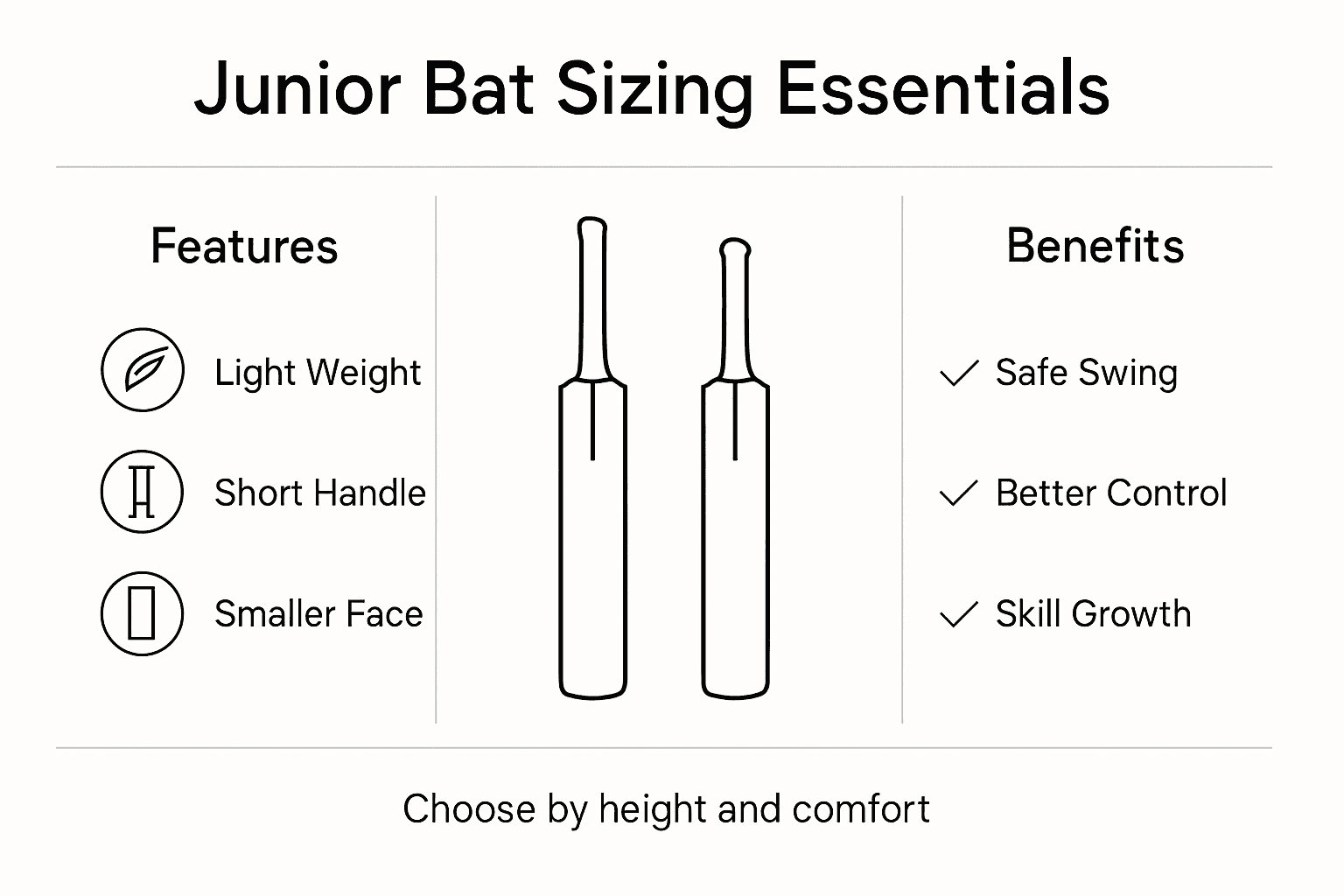
Junior cricket bats offer a strategic approach to developing young players’ skills by providing carefully engineered equipment that supports technical progression and physical development. Junior cricket bat techniques are designed to address the unique challenges faced by emerging athletes as they build fundamental batting capabilities.
The primary performance benefits of specialised junior bats include:
- Reduced Weight: Enables faster swing speeds and improved bat control
- Proportional Dimensions: Matches physical capabilities of young players
- Enhanced Manoeuvrability: Supports quicker learning of proper batting techniques
- Confidence Building: Provides equipment that feels comfortable and manageable
Technical design considerations play a crucial role in supporting young cricketers’ skill development. The lighter weight and smaller dimensions allow players to focus on developing correct batting mechanics without being hindered by oversized or excessively heavy equipment. This approach helps young athletes build muscle memory, hand-eye coordination, and fundamental striking techniques more effectively than using adult-sized bats.
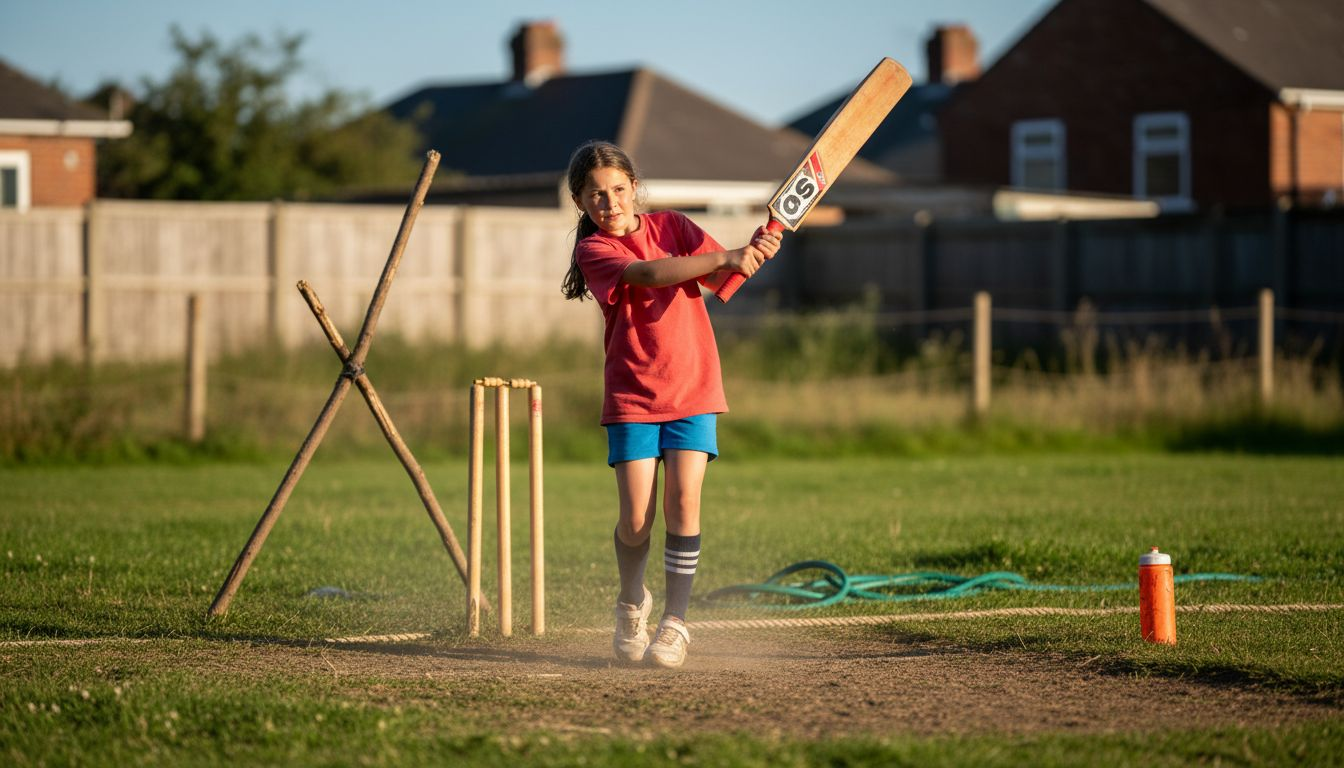
Psychological factors are equally important in performance development. When young players feel comfortable with their equipment, they experience increased confidence and motivation. The right junior bat becomes an extension of their physical capabilities, encouraging more consistent practice and helping to nurture a long-term passion for the sport.
Pro Tip: Encourage regular practice with the appropriately sized bat to maximise skill development and build muscle memory specific to the player’s current physical stage.
Safety Features and Comfort for Juniors
Ensuring the safety of young cricketers is paramount when selecting junior cricket equipment, with bat design playing a crucial role in protecting emerging athletes from potential injuries. Best junior cricket bat safety guidelines emphasise the importance of carefully engineered equipment that minimises risk while maximising player comfort and performance.
Key safety features in junior cricket bats include:
- Lightweight Construction: Reduces strain on developing muscles and joints
- Balanced Weight Distribution: Prevents awkward handling and potential muscle stress
- Ergonomic Handle Design: Supports proper grip and reduces hand fatigue
- Shock Absorption Technology: Minimises vibration and potential impact-related discomfort
- Rounded Edge Protection: Prevents sharp edges that could cause accidental injury
The handle represents a critical safety component in junior cricket bats. Manufacturers incorporate specialised grip materials and cushioning techniques that absorb shock and provide superior control. Typically, junior bat handles feature softer, more responsive materials that accommodate smaller hands and less developed muscle strength, ensuring young players can maintain a secure and comfortable grip throughout their playing session.
Psychological comfort is equally important in safety considerations. A bat that feels too heavy, unwieldy, or intimidating can discourage young players and potentially lead to poor technique or reduced confidence. Junior bat designs take into account the developmental stages of young athletes, creating equipment that feels like a natural extension of the player’s body, thereby reducing the likelihood of awkward or unsafe playing movements.
Pro Tip: Regularly inspect your child’s cricket bat for signs of wear, damage, or structural weakness, replacing equipment that shows compromise to maintain optimal safety standards.
Comparing Junior Bats to Senior Alternatives
Understanding the fundamental differences between junior and senior cricket bats is crucial for players and parents seeking optimal performance and skill development. Cricket bat sizing guidelines highlight the critical distinctions that make junior bats uniquely suited to young athletes’ physical capabilities and learning trajectories.
The primary differences between junior and senior bats can be categorised across several key dimensions:
- Weight: Junior bats typically range from 700-1200 grams, while senior bats weigh 1200-1400 grams
- Length: Junior bats measure 60-85 centimetres, compared to senior bats at 85-96 centimetres
- Handle Design: Junior handles feature smaller circumferences and more flexible materials
- Wood Density: Junior bats often use denser Kashmir Willow for increased durability and affordability
- Performance Characteristics: Optimised for skill development versus advanced technical play
Physical dimensions play a pivotal role in distinguishing junior from senior cricket bats. Senior bats are engineered for mature muscle groups, featuring more robust construction and higher performance expectations. In contrast, junior bats prioritise lightweight design, balanced weight distribution, and ergonomic considerations that support young players’ developing motor skills and technical understanding.
The following table highlights key functional differences between junior and senior cricket bats:
| Aspect | Junior Cricket Bat | Senior Cricket Bat |
|---|---|---|
| Weight | 700-1200 grams | 1200-1400 grams |
| Length | 60-85 cm | 85-96 cm |
| Handle Design | Small, flexible, cushioned | Larger, firmer, less padded |
| Primary Material | Kashmir Willow | English Willow |
| Performance Focus | Technique development | Advanced power and control |
The psychological impact of appropriately sized equipment cannot be overstated. Using a bat that matches physical capabilities helps young cricketers build confidence, develop proper technique, and maintain motivation. Senior bats can overwhelm young players, potentially causing poor form, reduced enjoyment, and increased injury risk. Junior bats serve as precision instruments designed to nurture emerging athletic potential.
Pro Tip: Always prioritise proper bat sizing over perceived performance, as a well-fitted junior bat will contribute more significantly to a young player’s skill development than an oversized senior alternative.
Equip Your Young Cricketer for Success with the Right Junior Bat
Choosing the perfect junior cricket bat is essential to solving the common challenge of balancing skill development, safety, and value for young players. This article highlights key concerns such as appropriate size, weight, and safety features to ensure comfort and confidence at every stage of growth. At cricketbats.com, we understand how important it is for juniors to have equipment that supports technique progression without compromising on control or protection.
Explore our carefully curated range of Junior Cricket Bats | Cheap Junior Cricket Bats – Cricket Bats Com designed exactly to meet these needs. Our bats are crafted to deliver lightweight construction, ergonomic grips and durable materials that nurture skill and safety simultaneously.

Don’t let your child’s cricket journey be limited by unsuitable equipment. Visit cricketbats.com today to select a junior bat that fits their size and style perfectly. Act now to equip your young cricketer with confidence and comfort so they can focus on what matters most — enjoying and excelling at the game.
Also browse our Home page – Cricket Bats Com for more cricket essentials that complement your child’s gear.
Frequently Asked Questions
What are the advantages of using a junior cricket bat over an adult one?
Junior cricket bats are specifically designed for young players, featuring lighter weights and smaller dimensions that enhance manoeuvrability and comfort. This allows young cricketers to develop their batting techniques without being overwhelmed by heavier, adult bats.
How do I choose the right size junior cricket bat for my child?
Selecting the appropriate junior cricket bat involves considering your child’s age, height, and arm length. Junior bats are categorised by size ranges that correlate with age groups, ensuring a proper fit for optimal performance and comfort.
What materials are used in junior cricket bats, and why are they important?
Most junior cricket bats are made from Kashmir Willow, which is denser and more affordable than English Willow. This material offers durability and resilience, making it ideal for developing players who may be more prone to wear and tear as they refine their skills.
How do junior cricket bats contribute to a young player’s skill development?
Junior bats are engineered to provide a balance between weight and performance, allowing young players to focus on developing correct batting mechanics. The lighter weight enables faster swing speeds and better control, fostering muscle memory and improving overall technique.
Recommended
Over 80 percent of british parents agree that finding the right junior cricket bat can shape a child’s confidence and skill on the field. Choosing the wrong size or weight often leads to frustration or even injury, making parents everywhere think twice before a purchase. This guide explains what really sets a junior cricket bat apart, helping you spot the features that support your child’s growth, maximise comfort, and put safety first.
Table of Contents
- What Makes a Bat ‘Junior’ In Cricket
- Age Groups And Junior Bat Sizing Explained
- Performance Benefits For Young Players
- Safety Features And Comfort For Juniors
- Comparing Junior Bats To Senior Alternatives
Key Takeaways
| Point | Details |
|---|---|
| Junior Cricket Bats are Specifically Designed | They feature reduced dimensions and lighter weights to match the physical capabilities of young players, enhancing their development. |
| Proper Sizing is Crucial for Performance | Selecting the correct bat size based on age and height is essential for comfort and skill progression. |
| Material Matters | Most junior bats use Kashmir Willow for durability, making them suitable for developing players. |
| Safety and Comfort are Priorities | Lightweight construction and ergonomic designs minimise injury risks and support better control and handling for young athletes. |
What Makes a Bat ‘Junior’ in Cricket
A junior cricket bat is a specialised piece of sporting equipment meticulously designed to support young players during their skill development stages. Unlike full-sized adult bats, junior bats are engineered with precise proportions and weight considerations that match growing players’ physical capabilities and learning needs.
The primary differentiating factors of junior cricket bats include their reduced dimensions and weight range. These bats typically measure between 60-85 centimetres in length and weigh significantly less than adult counterparts – often ranging from 700 to 1200 grams. Junior cricket bat specifications are carefully calibrated to ensure young players can handle the equipment comfortably while developing proper batting techniques.
Material selection plays a critical role in defining junior bats. Most junior bats are constructed using Kashmir Willow, a denser and more affordable wood compared to English Willow. This material provides excellent durability and resilience, making it ideal for young players who are still refining their skills. The wood’s characteristics allow for a balanced performance that supports technique development without overwhelming young athletes with excessive weight or complex handling requirements.
Junior cricket bats are categorised by age groups and skill levels, with specific sizing recommendations that align with a player’s height and physical development. Manufacturers produce bats in precise size ranges such as Size 1 (for players aged 4-6), Size 3 (for players aged 8-10), and progressively larger sizes to accommodate growing players.
Pro Tip: Measure your child’s height and arm length before purchasing a junior cricket bat to ensure the most comfortable and appropriate fit for their current developmental stage.
Age Groups and Junior Bat Sizing Explained
Selecting the right junior cricket bat involves understanding the critical relationship between a player’s age, physical development, and appropriate bat sizing. Cricket manufacturers have developed standardised size ranges that help parents and coaches match young players with equipment that supports their skill progression and physical capabilities.
The standard junior bat sizing system typically follows age-based categories, cricket bat sizing recommendations generally break down into specific ranges:
- Size 1: Ages 4-6 (approximately 60-65 centimetres)
- Size 2: Ages 6-8 (approximately 65-70 centimetres)
- Size 3: Ages 8-10 (approximately 70-75 centimetres)
- Size 4: Ages 10-12 (approximately 75-80 centimetres)
- Size 5: Ages 12-14 (approximately 80-85 centimetres)
- Size 6: Ages 14-16 (approximately 85-90 centimetres)
Beyond age, bat selection requires careful consideration of individual physical attributes. Height, arm length, and strength play significant roles in determining the most suitable bat. A bat that is too heavy will impede technique development, while one that is too light might not provide adequate power and control.
Manufacturers design these size ranges to accommodate the incremental physical growth of young cricketers. Each size represents not just a length measurement, but a carefully engineered balance between weight, handle thickness, and overall bat performance that matches a player’s developmental stage.
Here’s a concise reference for junior bat sizing recommendations by age and height:
| Bat Size | Suggested Age Range | Approximate Height (cm) | Typical Bat Length (cm) |
|---|---|---|---|
| Size 1 | 4-6 years | Up to 125 | 60-65 |
| Size 2 | 6-8 years | 125-135 | 65-70 |
| Size 3 | 8-10 years | 135-140 | 70-75 |
| Size 4 | 10-12 years | 140-150 | 75-80 |
| Size 5 | 12-14 years | 150-160 | 80-85 |
| Size 6 | 14-16 years | 160-165 | 85-90 |
Pro Tip: Always test the bat’s weight and feel before purchasing, ensuring your young cricketer can comfortably swing and control the equipment without strain.
Performance Benefits for Young Players
Junior cricket bats offer a strategic approach to developing young players’ skills by providing carefully engineered equipment that supports technical progression and physical development. Junior cricket bat techniques are designed to address the unique challenges faced by emerging athletes as they build fundamental batting capabilities.
The primary performance benefits of specialised junior bats include:
- Reduced Weight: Enables faster swing speeds and improved bat control
- Proportional Dimensions: Matches physical capabilities of young players
- Enhanced Manoeuvrability: Supports quicker learning of proper batting techniques
- Confidence Building: Provides equipment that feels comfortable and manageable
Technical design considerations play a crucial role in supporting young cricketers’ skill development. The lighter weight and smaller dimensions allow players to focus on developing correct batting mechanics without being hindered by oversized or excessively heavy equipment. This approach helps young athletes build muscle memory, hand-eye coordination, and fundamental striking techniques more effectively than using adult-sized bats.
Psychological factors are equally important in performance development. When young players feel comfortable with their equipment, they experience increased confidence and motivation. The right junior bat becomes an extension of their physical capabilities, encouraging more consistent practice and helping to nurture a long-term passion for the sport.
Pro Tip: Encourage regular practice with the appropriately sized bat to maximise skill development and build muscle memory specific to the player’s current physical stage.
Safety Features and Comfort for Juniors
Ensuring the safety of young cricketers is paramount when selecting junior cricket equipment, with bat design playing a crucial role in protecting emerging athletes from potential injuries. Best junior cricket bat safety guidelines emphasise the importance of carefully engineered equipment that minimises risk while maximising player comfort and performance.
Key safety features in junior cricket bats include:
- Lightweight Construction: Reduces strain on developing muscles and joints
- Balanced Weight Distribution: Prevents awkward handling and potential muscle stress
- Ergonomic Handle Design: Supports proper grip and reduces hand fatigue
- Shock Absorption Technology: Minimises vibration and potential impact-related discomfort
- Rounded Edge Protection: Prevents sharp edges that could cause accidental injury
The handle represents a critical safety component in junior cricket bats. Manufacturers incorporate specialised grip materials and cushioning techniques that absorb shock and provide superior control. Typically, junior bat handles feature softer, more responsive materials that accommodate smaller hands and less developed muscle strength, ensuring young players can maintain a secure and comfortable grip throughout their playing session.
Psychological comfort is equally important in safety considerations. A bat that feels too heavy, unwieldy, or intimidating can discourage young players and potentially lead to poor technique or reduced confidence. Junior bat designs take into account the developmental stages of young athletes, creating equipment that feels like a natural extension of the player’s body, thereby reducing the likelihood of awkward or unsafe playing movements.
Pro Tip: Regularly inspect your child’s cricket bat for signs of wear, damage, or structural weakness, replacing equipment that shows compromise to maintain optimal safety standards.
Comparing Junior Bats to Senior Alternatives
Understanding the fundamental differences between junior and senior cricket bats is crucial for players and parents seeking optimal performance and skill development. Cricket bat sizing guidelines highlight the critical distinctions that make junior bats uniquely suited to young athletes’ physical capabilities and learning trajectories.
The primary differences between junior and senior bats can be categorised across several key dimensions:
- Weight: Junior bats typically range from 700-1200 grams, while senior bats weigh 1200-1400 grams
- Length: Junior bats measure 60-85 centimetres, compared to senior bats at 85-96 centimetres
- Handle Design: Junior handles feature smaller circumferences and more flexible materials
- Wood Density: Junior bats often use denser Kashmir Willow for increased durability and affordability
- Performance Characteristics: Optimised for skill development versus advanced technical play
Physical dimensions play a pivotal role in distinguishing junior from senior cricket bats. Senior bats are engineered for mature muscle groups, featuring more robust construction and higher performance expectations. In contrast, junior bats prioritise lightweight design, balanced weight distribution, and ergonomic considerations that support young players’ developing motor skills and technical understanding.
The following table highlights key functional differences between junior and senior cricket bats:
| Aspect | Junior Cricket Bat | Senior Cricket Bat |
|---|---|---|
| Weight | 700-1200 grams | 1200-1400 grams |
| Length | 60-85 cm | 85-96 cm |
| Handle Design | Small, flexible, cushioned | Larger, firmer, less padded |
| Primary Material | Kashmir Willow | English Willow |
| Performance Focus | Technique development | Advanced power and control |
The psychological impact of appropriately sized equipment cannot be overstated. Using a bat that matches physical capabilities helps young cricketers build confidence, develop proper technique, and maintain motivation. Senior bats can overwhelm young players, potentially causing poor form, reduced enjoyment, and increased injury risk. Junior bats serve as precision instruments designed to nurture emerging athletic potential.
Pro Tip: Always prioritise proper bat sizing over perceived performance, as a well-fitted junior bat will contribute more significantly to a young player’s skill development than an oversized senior alternative.
Equip Your Young Cricketer for Success with the Right Junior Bat
Choosing the perfect junior cricket bat is essential to solving the common challenge of balancing skill development, safety, and value for young players. This article highlights key concerns such as appropriate size, weight, and safety features to ensure comfort and confidence at every stage of growth. At cricketbats.com, we understand how important it is for juniors to have equipment that supports technique progression without compromising on control or protection.
Explore our carefully curated range of Junior Cricket Bats | Cheap Junior Cricket Bats – Cricket Bats Com designed exactly to meet these needs. Our bats are crafted to deliver lightweight construction, ergonomic grips and durable materials that nurture skill and safety simultaneously.
Don’t let your child’s cricket journey be limited by unsuitable equipment. Visit cricketbats.com today to select a junior bat that fits their size and style perfectly. Act now to equip your young cricketer with confidence and comfort so they can focus on what matters most — enjoying and excelling at the game.
Also browse our Home page – Cricket Bats Com for more cricket essentials that complement your child’s gear.
Frequently Asked Questions
What are the advantages of using a junior cricket bat over an adult one?
Junior cricket bats are specifically designed for young players, featuring lighter weights and smaller dimensions that enhance manoeuvrability and comfort. This allows young cricketers to develop their batting techniques without being overwhelmed by heavier, adult bats.
How do I choose the right size junior cricket bat for my child?
Selecting the appropriate junior cricket bat involves considering your child’s age, height, and arm length. Junior bats are categorised by size ranges that correlate with age groups, ensuring a proper fit for optimal performance and comfort.
What materials are used in junior cricket bats, and why are they important?
Most junior cricket bats are made from Kashmir Willow, which is denser and more affordable than English Willow. This material offers durability and resilience, making it ideal for developing players who may be more prone to wear and tear as they refine their skills.
How do junior cricket bats contribute to a young player’s skill development?
Junior bats are engineered to provide a balance between weight and performance, allowing young players to focus on developing correct batting mechanics. The lighter weight enables faster swing speeds and better control, fostering muscle memory and improving overall technique.