
News News
Why Use Cricket Bags: Organisation and Protection Why Use Cricket Bags: Organisation and Protection
Dragging a tangled mess of bats, gloves, and pads to every practice quickly turns any promising session into a frustrating scramble. Proper organisation and reliable protection are not just about neatness but about preserving expensive gear and making life easier for every Australian cricketer. High-quality cricket bags deliver dedicated compartments, water-resistant materials, and ergonomic carrying options so amateur and youth players can move, sort, and safeguard their equipment with total confidence.
Table of Contents
- Cricket Bags Explained: Core Purpose and Facts
- Popular Cricket Bag Types and Variations
- Essential Features for Organisation and Protection
- Benefits for Amateur and Youth Players
- Comparing Cricket Bags With Alternatives
- Common Mistakes When Choosing a Bag
Key Takeaways
| Point | Details |
|---|---|
| Cricket Bags Protect Equipment | These specialised bags safeguard valuable gear from damage and moisture during transport and storage. |
| Organisational Features Are Crucial | Quality cricket bags include compartments for separating wet and dry items, helping to maintain order and protect delicate equipment. |
| Ergonomic Design Enhances Comfort | Choosing a bag with proper weight distribution and padded straps can significantly reduce physical strain during transportation, especially for younger players. |
| Purpose-Built Bags Are Essential | Investing in cricket-specific bags rather than generic alternatives ensures adequate protection and organisation for equipment needs. |
Cricket Bags Explained: Core Purpose and Facts
Cricket bags are far more than simple carriers for sporting equipment. They represent a critical investment in protecting and organising valuable cricket gear, designed specifically to meet the unique demands of players across different skill levels and environments.
The primary functions of cricket bags revolve around three core objectives:
- Protection of expensive equipment from physical damage
- Organisation of multiple gear items in dedicated compartments
- Transportation with ergonomic design and comfortable carrying mechanisms
Quality cricket kit bags offer comprehensive protection against environmental challenges. Robust gear protection strategies ensure that delicate equipment like bats, gloves, and protective gear remain safe from moisture, dirt, and potential impact damage during transit and storage.
Most professional-grade cricket bags feature specialised compartments that allow players to segregate wet and dry items, maintain bat integrity, and keep smaller accessories like gloves, pads, and balls systematically arranged. This intelligent design prevents equipment from getting damaged or tangled during transportation.
Beyond physical protection, these bags represent a player’s commitment to maintaining high-quality sporting equipment. The durability of a well-constructed cricket bag can significantly extend the lifespan of expensive gear, making it a smart long-term investment for serious cricketers.
Pro tip: Always check the internal padding and compartment design when selecting a cricket bag to ensure maximum equipment protection.
Popular Cricket Bag Types and Variations
Cricket players have diverse equipment transportation needs, which has led to the development of multiple bag designs catering to different preferences and playing styles. Various cricket bag types have emerged to address specific requirements for storage, protection, and convenience.
The primary cricket bag variations include:
- Duffle Bags: Spacious and versatile, ideal for carrying multiple pieces of equipment
- Wheelie Bags: Perfect for players who prefer easy transportation with built-in wheels
- Backpack Styles: Ergonomic design offering hands-free carrying and distributed weight
- Holdall Bags: Large capacity options for team players and comprehensive gear storage
Each bag type offers unique advantages depending on a player’s specific needs. Duffle bags typically provide generous storage with multiple compartments, allowing players to separate wet and dry gear, protect delicate equipment, and maintain organisation during travel.
Wheeled cricket bags have gained significant popularity among players who frequently travel to matches or training sessions. These bags reduce physical strain by allowing easy rolling across different surfaces, making transportation substantially more convenient for cricketers carrying heavy equipment.
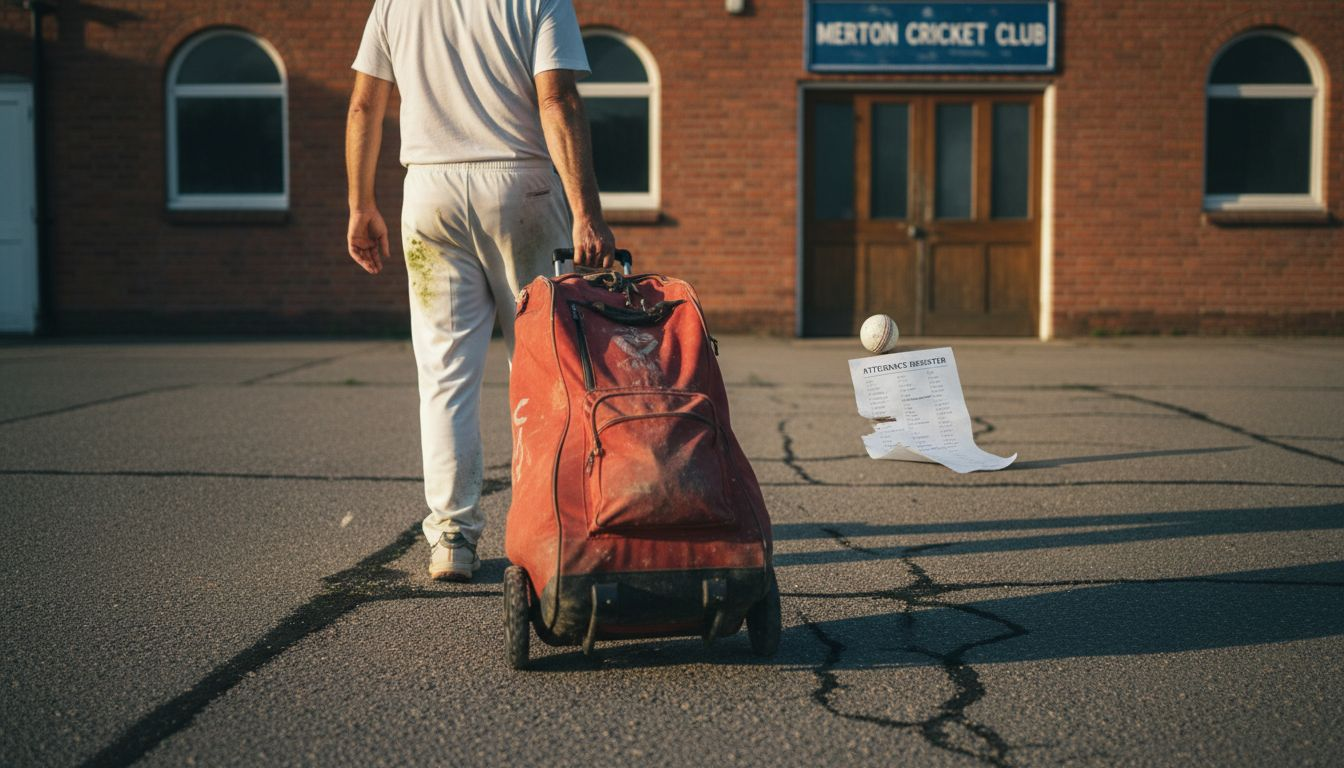
Backpack-style cricket bags represent a modern solution for players seeking comfort and practicality. These designs distribute weight evenly across the shoulders, feature padded straps, and often include specialised compartments for bats, protective gear, and smaller accessories.
To better understand the distinct benefits of each cricket bag type, see the comparison below:
| Bag Type | Best Suited For | Key Strength | Typical Drawback |
|---|---|---|---|
| Duffle Bag | Versatile players | Large storage capacity | Bulky when fully packed |
| Wheelie Bag | Regular travellers | Effortless transport | Heavier, less portable |
| Backpack Style | Youth and commuters | Ergonomic, hands-free wear | Limited gear space |
| Holdall Bag | Teams or heavy equipment holders | Suitable for multiple kits | Difficult to carry long distances |
Pro tip: Consider your typical travel distances and equipment volume when selecting the most appropriate cricket bag design.
Essential Features for Organisation and Protection
Cricket equipment requires specialised protection, and modern cricket bags are engineered to provide comprehensive safeguarding for valuable gear. Advanced protection features have become crucial in maintaining equipment quality and extending its functional lifespan.
Key organisational and protective features include:
- Water-Resistant Materials: Shielding equipment from moisture and environmental damage
- Padded Compartments: Preventing impact and reducing potential equipment wear
- Ventilated Sections: Allowing air circulation to prevent moisture buildup
- Specialised Bat Sleeves: Providing dedicated protection for cricket bats
- Lockable Zippers: Enhancing security during transportation
The most advanced cricket bags incorporate multiple layers of protection, recognising that different pieces of equipment require unique storage considerations. Bat compartments, for instance, often feature extra padding and rigid structures to prevent warping or structural damage during transit.
Ventilation represents another critical design element in modern cricket bags. Moisture management prevents potential mildew and bacterial growth, which can compromise leather equipment like gloves and pads. Strategically placed mesh panels and breathable materials ensure that equipment remains dry and in optimal condition between matches and training sessions.
Security features have also evolved, with many contemporary cricket bags incorporating robust locking mechanisms and reinforced materials. These design elements not only protect equipment from physical damage but also provide peace of mind for players investing in high-quality gear.
Here is a summary of advanced features found in modern cricket bags and their effects:
| Feature | How It Works | Impact on Equipment |
|---|---|---|
| Water-resistant fabric | Repels rain and spills | Prevents moisture damage |
| Extra padding | Cushions internal space | Absorbs impacts, reduces wear |
| Mesh ventilation zones | Promotes air flow | Minimises mildew, odours |
| Reinforced zippers | Secure, heavy-duty closures | Deters theft, boosts lifespan |
| Bat sleeves | Rigid, lined compartments | Preserves bat shape |
Pro tip: Regularly inspect your cricket bag’s interior compartments and zippers to maintain optimal protection for your equipment.
Benefits for Amateur and Youth Players
Amateur and youth cricket players face unique challenges when managing their sporting equipment, making specialised cricket bags an essential investment. Lighter weight equipment management provides young players with critical advantages in developing their skills and maintaining their gear.
Key benefits for amateur and youth players include:
- Independence in Equipment Management: Learning to organise and care for personal sporting gear
- Reduced Pre-Game Preparation Time: Streamlined access to neatly arranged equipment
- Physical Comfort: Ergonomically designed bags that reduce strain during transportation
- Skill Development: Building responsible habits through proper equipment maintenance
- Cost Protection: Preserving expensive cricket gear from potential damage
The design of modern cricket bags specifically addresses the developmental needs of younger players. Lightweight materials and intelligently structured compartments enable amateur cricketers to take greater responsibility for their sporting equipment, fostering a sense of personal accountability and pride in their gear.
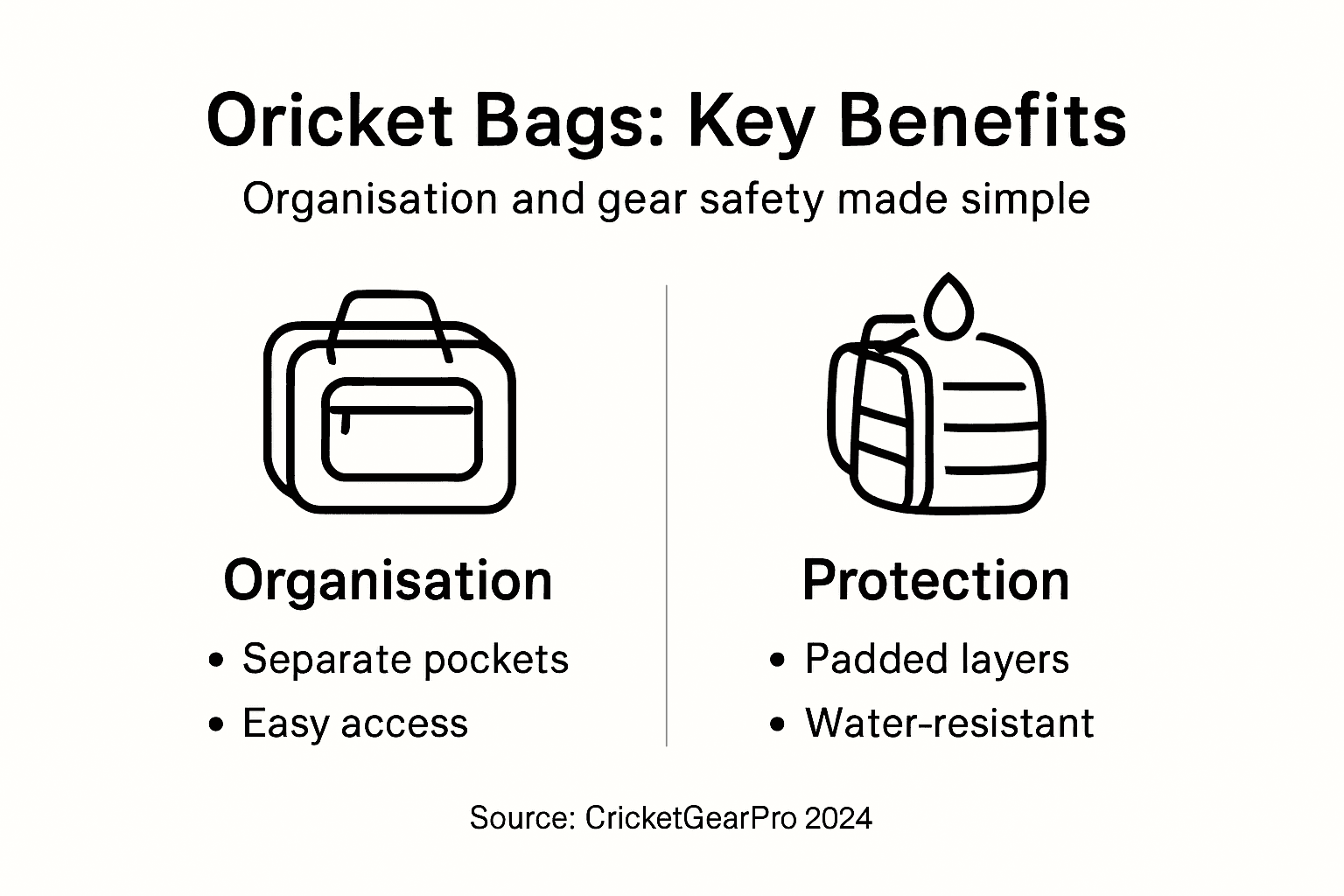
Ergonomic considerations play a crucial role in youth-oriented cricket bag design. Padded shoulder straps, adjustable carrying options, and balanced weight distribution help prevent physical strain, allowing young players to focus more on skill development and less on equipment management challenges.
Moreover, these specialised bags serve an educational purpose beyond mere equipment storage. By providing dedicated spaces for different items and encouraging systematic organisation, cricket bags help young players develop crucial life skills of responsibility, planning, and careful maintenance of personal belongings.
Pro tip: Select a cricket bag with adjustable features that can grow with your developing player’s changing equipment needs.
Comparing Cricket Bags with Alternatives
Cricket equipment demands specialized storage solutions that generic sports bags simply cannot provide. Specialised equipment protection distinguishes purpose-built cricket bags from standard alternatives.
Key differences between cricket bags and alternative storage options include:
- Custom Compartment Design: Tailored specifically for cricket equipment
- Superior Padding: Enhanced protection for delicate sporting gear
- Moisture Management: Specialised ventilation not found in standard bags
- Equipment-Specific Features: Dedicated spaces for bats, pads, and protective equipment
- Durability: Reinforced construction for sporting equipment needs
Generic sports bags often lack the nuanced design required for cricket’s unique equipment. Standard backpacks and holdalls typically feature uniform compartments that fail to provide the critical protection needed for expensive cricket gear like delicate wooden bats and leather protective equipment.
Most alternative bags do not account for the specific environmental challenges cricket equipment faces. Cricket bags incorporate specialised materials that protect against moisture, prevent structural damage to bats, and maintain the integrity of leather and fabric equipment through strategic ventilation and padding.
The portability of cricket bags also sets them apart from generic alternatives. Ergonomically designed with features like adjustable straps, wheels, and balanced weight distribution, these bags are engineered to meet the specific transportation needs of cricket players across various skill levels.
Pro tip: Invest in a purpose-built cricket bag to ensure maximum protection and organisation of your valuable sporting equipment.
Common Mistakes When Choosing a Bag
Choosing the right cricket bag requires careful consideration beyond simple price comparisons. Critical bag selection mistakes can significantly compromise equipment protection and player convenience.
Common mistakes cricket players frequently make include:
- Insufficient Size: Selecting bags too small for complete equipment
- Ignoring Durability: Prioritising price over long-term quality
- Lack of Ventilation: Choosing bags without proper air circulation
- Inadequate Padding: Neglecting protection for delicate cricket gear
- Poor Ergonomic Design: Overlooking comfort and transportation features
Many amateur players mistakenly purchase bags based solely on aesthetic appeal or initial cost. This approach often leads to premature equipment damage and increased long-term expenses, as cheaper bags provide minimal protection for expensive cricket gear.
Ventilation represents a critically overlooked aspect of cricket bag selection. Bags without proper air circulation can cause moisture buildup, potentially leading to mildew, unpleasant odours, and degradation of leather equipment like gloves and pads. Proper breathable materials and strategic mesh panels are essential for maintaining equipment quality.
Ergonomic considerations are equally important. Bags without proper weight distribution, padded straps, or supportive designs can cause physical strain, particularly for younger or amateur players carrying multiple pieces of equipment across longer distances.
Pro tip: Always test a cricket bag’s weight distribution and comfort before purchasing to ensure it meets your specific transportation needs.
Secure Your Cricket Gear with the Perfect Bag and Trusted Equipment
Organising and protecting your cricket equipment is essential for every player who values durability and convenience. The article highlights common challenges such as maintaining equipment integrity, managing moisture, and ensuring comfortable transportation. If you want to avoid costly damage and daily hassle, investing in a quality cricket bag with specialised compartments and padding is a smart move. Combine this with high-quality bats from renowned brands like Kookaburra or New Balance that we offer at Kookaburra Cricket Bats – Cricket Bats Com and New Balance Cricket Bats – Cricket Bats Com to elevate your game.

Discover the full range of cricket bags and accessories designed to meet your individual needs on our Home page – Cricket Bats Com. Act now to secure durable equipment and enjoy the ease of organised transportation that keeps your gear safe match after match. Visit cricketbats.com today and invest in your cricket future with expert support and free shipping on many products.
Frequently Asked Questions
What are the main benefits of using cricket bags?
Cricket bags provide essential protection for your equipment, help with organisation by featuring dedicated compartments, and facilitate easier transportation with ergonomic designs.
How do cricket bags protect equipment from damage?
Quality cricket bags incorporate padding, water-resistant materials, and specialised compartments to protect delicate items like bats and gloves from moisture, dirt, and physical impacts during storage and transit.
What types of cricket bags are available and how do they differ?
Common types of cricket bags include duffle bags, wheelie bags, backpack styles, and holdall bags, each designed for different needs such as storage capacity, ease of transport, and ergonomics.
Why is ventilation important in cricket bags?
Ventilation helps to prevent moisture buildup, which can lead to issues like mildew and degradation of leather equipment. Bags with mesh panels ensure air circulation, keeping your gear dry and in optimal condition.
Recommended
Dragging a tangled mess of bats, gloves, and pads to every practice quickly turns any promising session into a frustrating scramble. Proper organisation and reliable protection are not just about neatness but about preserving expensive gear and making life easier for every Australian cricketer. High-quality cricket bags deliver dedicated compartments, water-resistant materials, and ergonomic carrying options so amateur and youth players can move, sort, and safeguard their equipment with total confidence.
Table of Contents
- Cricket Bags Explained: Core Purpose and Facts
- Popular Cricket Bag Types and Variations
- Essential Features for Organisation and Protection
- Benefits for Amateur and Youth Players
- Comparing Cricket Bags With Alternatives
- Common Mistakes When Choosing a Bag
Key Takeaways
| Point | Details |
|---|---|
| Cricket Bags Protect Equipment | These specialised bags safeguard valuable gear from damage and moisture during transport and storage. |
| Organisational Features Are Crucial | Quality cricket bags include compartments for separating wet and dry items, helping to maintain order and protect delicate equipment. |
| Ergonomic Design Enhances Comfort | Choosing a bag with proper weight distribution and padded straps can significantly reduce physical strain during transportation, especially for younger players. |
| Purpose-Built Bags Are Essential | Investing in cricket-specific bags rather than generic alternatives ensures adequate protection and organisation for equipment needs. |
Cricket Bags Explained: Core Purpose and Facts
Cricket bags are far more than simple carriers for sporting equipment. They represent a critical investment in protecting and organising valuable cricket gear, designed specifically to meet the unique demands of players across different skill levels and environments.
The primary functions of cricket bags revolve around three core objectives:
- Protection of expensive equipment from physical damage
- Organisation of multiple gear items in dedicated compartments
- Transportation with ergonomic design and comfortable carrying mechanisms
Quality cricket kit bags offer comprehensive protection against environmental challenges. Robust gear protection strategies ensure that delicate equipment like bats, gloves, and protective gear remain safe from moisture, dirt, and potential impact damage during transit and storage.
Most professional-grade cricket bags feature specialised compartments that allow players to segregate wet and dry items, maintain bat integrity, and keep smaller accessories like gloves, pads, and balls systematically arranged. This intelligent design prevents equipment from getting damaged or tangled during transportation.
Beyond physical protection, these bags represent a player’s commitment to maintaining high-quality sporting equipment. The durability of a well-constructed cricket bag can significantly extend the lifespan of expensive gear, making it a smart long-term investment for serious cricketers.
Pro tip: Always check the internal padding and compartment design when selecting a cricket bag to ensure maximum equipment protection.
Popular Cricket Bag Types and Variations
Cricket players have diverse equipment transportation needs, which has led to the development of multiple bag designs catering to different preferences and playing styles. Various cricket bag types have emerged to address specific requirements for storage, protection, and convenience.
The primary cricket bag variations include:
- Duffle Bags: Spacious and versatile, ideal for carrying multiple pieces of equipment
- Wheelie Bags: Perfect for players who prefer easy transportation with built-in wheels
- Backpack Styles: Ergonomic design offering hands-free carrying and distributed weight
- Holdall Bags: Large capacity options for team players and comprehensive gear storage
Each bag type offers unique advantages depending on a player’s specific needs. Duffle bags typically provide generous storage with multiple compartments, allowing players to separate wet and dry gear, protect delicate equipment, and maintain organisation during travel.
Wheeled cricket bags have gained significant popularity among players who frequently travel to matches or training sessions. These bags reduce physical strain by allowing easy rolling across different surfaces, making transportation substantially more convenient for cricketers carrying heavy equipment.
Backpack-style cricket bags represent a modern solution for players seeking comfort and practicality. These designs distribute weight evenly across the shoulders, feature padded straps, and often include specialised compartments for bats, protective gear, and smaller accessories.
To better understand the distinct benefits of each cricket bag type, see the comparison below:
| Bag Type | Best Suited For | Key Strength | Typical Drawback |
|---|---|---|---|
| Duffle Bag | Versatile players | Large storage capacity | Bulky when fully packed |
| Wheelie Bag | Regular travellers | Effortless transport | Heavier, less portable |
| Backpack Style | Youth and commuters | Ergonomic, hands-free wear | Limited gear space |
| Holdall Bag | Teams or heavy equipment holders | Suitable for multiple kits | Difficult to carry long distances |
Pro tip: Consider your typical travel distances and equipment volume when selecting the most appropriate cricket bag design.
Essential Features for Organisation and Protection
Cricket equipment requires specialised protection, and modern cricket bags are engineered to provide comprehensive safeguarding for valuable gear. Advanced protection features have become crucial in maintaining equipment quality and extending its functional lifespan.
Key organisational and protective features include:
- Water-Resistant Materials: Shielding equipment from moisture and environmental damage
- Padded Compartments: Preventing impact and reducing potential equipment wear
- Ventilated Sections: Allowing air circulation to prevent moisture buildup
- Specialised Bat Sleeves: Providing dedicated protection for cricket bats
- Lockable Zippers: Enhancing security during transportation
The most advanced cricket bags incorporate multiple layers of protection, recognising that different pieces of equipment require unique storage considerations. Bat compartments, for instance, often feature extra padding and rigid structures to prevent warping or structural damage during transit.
Ventilation represents another critical design element in modern cricket bags. Moisture management prevents potential mildew and bacterial growth, which can compromise leather equipment like gloves and pads. Strategically placed mesh panels and breathable materials ensure that equipment remains dry and in optimal condition between matches and training sessions.
Security features have also evolved, with many contemporary cricket bags incorporating robust locking mechanisms and reinforced materials. These design elements not only protect equipment from physical damage but also provide peace of mind for players investing in high-quality gear.
Here is a summary of advanced features found in modern cricket bags and their effects:
| Feature | How It Works | Impact on Equipment |
|---|---|---|
| Water-resistant fabric | Repels rain and spills | Prevents moisture damage |
| Extra padding | Cushions internal space | Absorbs impacts, reduces wear |
| Mesh ventilation zones | Promotes air flow | Minimises mildew, odours |
| Reinforced zippers | Secure, heavy-duty closures | Deters theft, boosts lifespan |
| Bat sleeves | Rigid, lined compartments | Preserves bat shape |
Pro tip: Regularly inspect your cricket bag’s interior compartments and zippers to maintain optimal protection for your equipment.
Benefits for Amateur and Youth Players
Amateur and youth cricket players face unique challenges when managing their sporting equipment, making specialised cricket bags an essential investment. Lighter weight equipment management provides young players with critical advantages in developing their skills and maintaining their gear.
Key benefits for amateur and youth players include:
- Independence in Equipment Management: Learning to organise and care for personal sporting gear
- Reduced Pre-Game Preparation Time: Streamlined access to neatly arranged equipment
- Physical Comfort: Ergonomically designed bags that reduce strain during transportation
- Skill Development: Building responsible habits through proper equipment maintenance
- Cost Protection: Preserving expensive cricket gear from potential damage
The design of modern cricket bags specifically addresses the developmental needs of younger players. Lightweight materials and intelligently structured compartments enable amateur cricketers to take greater responsibility for their sporting equipment, fostering a sense of personal accountability and pride in their gear.
Ergonomic considerations play a crucial role in youth-oriented cricket bag design. Padded shoulder straps, adjustable carrying options, and balanced weight distribution help prevent physical strain, allowing young players to focus more on skill development and less on equipment management challenges.
Moreover, these specialised bags serve an educational purpose beyond mere equipment storage. By providing dedicated spaces for different items and encouraging systematic organisation, cricket bags help young players develop crucial life skills of responsibility, planning, and careful maintenance of personal belongings.
Pro tip: Select a cricket bag with adjustable features that can grow with your developing player’s changing equipment needs.
Comparing Cricket Bags with Alternatives
Cricket equipment demands specialized storage solutions that generic sports bags simply cannot provide. Specialised equipment protection distinguishes purpose-built cricket bags from standard alternatives.
Key differences between cricket bags and alternative storage options include:
- Custom Compartment Design: Tailored specifically for cricket equipment
- Superior Padding: Enhanced protection for delicate sporting gear
- Moisture Management: Specialised ventilation not found in standard bags
- Equipment-Specific Features: Dedicated spaces for bats, pads, and protective equipment
- Durability: Reinforced construction for sporting equipment needs
Generic sports bags often lack the nuanced design required for cricket’s unique equipment. Standard backpacks and holdalls typically feature uniform compartments that fail to provide the critical protection needed for expensive cricket gear like delicate wooden bats and leather protective equipment.
Most alternative bags do not account for the specific environmental challenges cricket equipment faces. Cricket bags incorporate specialised materials that protect against moisture, prevent structural damage to bats, and maintain the integrity of leather and fabric equipment through strategic ventilation and padding.
The portability of cricket bags also sets them apart from generic alternatives. Ergonomically designed with features like adjustable straps, wheels, and balanced weight distribution, these bags are engineered to meet the specific transportation needs of cricket players across various skill levels.
Pro tip: Invest in a purpose-built cricket bag to ensure maximum protection and organisation of your valuable sporting equipment.
Common Mistakes When Choosing a Bag
Choosing the right cricket bag requires careful consideration beyond simple price comparisons. Critical bag selection mistakes can significantly compromise equipment protection and player convenience.
Common mistakes cricket players frequently make include:
- Insufficient Size: Selecting bags too small for complete equipment
- Ignoring Durability: Prioritising price over long-term quality
- Lack of Ventilation: Choosing bags without proper air circulation
- Inadequate Padding: Neglecting protection for delicate cricket gear
- Poor Ergonomic Design: Overlooking comfort and transportation features
Many amateur players mistakenly purchase bags based solely on aesthetic appeal or initial cost. This approach often leads to premature equipment damage and increased long-term expenses, as cheaper bags provide minimal protection for expensive cricket gear.
Ventilation represents a critically overlooked aspect of cricket bag selection. Bags without proper air circulation can cause moisture buildup, potentially leading to mildew, unpleasant odours, and degradation of leather equipment like gloves and pads. Proper breathable materials and strategic mesh panels are essential for maintaining equipment quality.
Ergonomic considerations are equally important. Bags without proper weight distribution, padded straps, or supportive designs can cause physical strain, particularly for younger or amateur players carrying multiple pieces of equipment across longer distances.
Pro tip: Always test a cricket bag’s weight distribution and comfort before purchasing to ensure it meets your specific transportation needs.
Secure Your Cricket Gear with the Perfect Bag and Trusted Equipment
Organising and protecting your cricket equipment is essential for every player who values durability and convenience. The article highlights common challenges such as maintaining equipment integrity, managing moisture, and ensuring comfortable transportation. If you want to avoid costly damage and daily hassle, investing in a quality cricket bag with specialised compartments and padding is a smart move. Combine this with high-quality bats from renowned brands like Kookaburra or New Balance that we offer at Kookaburra Cricket Bats – Cricket Bats Com and New Balance Cricket Bats – Cricket Bats Com to elevate your game.
Discover the full range of cricket bags and accessories designed to meet your individual needs on our Home page – Cricket Bats Com. Act now to secure durable equipment and enjoy the ease of organised transportation that keeps your gear safe match after match. Visit cricketbats.com today and invest in your cricket future with expert support and free shipping on many products.
Frequently Asked Questions
What are the main benefits of using cricket bags?
Cricket bags provide essential protection for your equipment, help with organisation by featuring dedicated compartments, and facilitate easier transportation with ergonomic designs.
How do cricket bags protect equipment from damage?
Quality cricket bags incorporate padding, water-resistant materials, and specialised compartments to protect delicate items like bats and gloves from moisture, dirt, and physical impacts during storage and transit.
What types of cricket bags are available and how do they differ?
Common types of cricket bags include duffle bags, wheelie bags, backpack styles, and holdall bags, each designed for different needs such as storage capacity, ease of transport, and ergonomics.
Why is ventilation important in cricket bags?
Ventilation helps to prevent moisture buildup, which can lead to issues like mildew and degradation of leather equipment. Bags with mesh panels ensure air circulation, keeping your gear dry and in optimal condition.